

Brian Angwenyi, Oyominto TV
Kenya has received encouraging news in its efforts to monitor Ebola after preliminary laboratory results from a suspected patient in Wajir County returned negative, easing fears that the country could be facing another case of the deadly viral disease.
The suspected patient, a 20-year-old man with a travel history from the Democratic Republic of the Congo through Uganda to Kenya, had been under medical attention in Wajir. The county governor announced the preliminary results on Thursday, October 8, according to a report by Reuters published by Al Jazeera.
The development provides some relief to health officials and residents as authorities continue monitoring a public health situation that requires vigilance, timely testing and reliable communication.
Why the test results matter
Ebola is a serious viral disease that can cause severe illness and death. It can spread through direct contact with the blood or bodily fluids of an infected person, as well as contaminated materials.
Early identification of suspected cases is important because it allows health authorities to assess patients, conduct laboratory tests and take precautions that reduce the risk of further transmission.
The negative preliminary result in Wajir reduces concern about this particular suspected case. However, it should not be interpreted as proof that all public health risks have disappeared.
Health authorities must continue following established procedures, including evaluating symptoms, assessing travel and exposure histories, and communicating confirmed laboratory findings.
The distinction between a suspected case and a confirmed infection is especially important during a public health alert. Premature claims can create unnecessary panic, stigmatise patients and undermine confidence in health institutions.
The importance of surveillance
Kenya’s position as a regional transport and travel hub makes disease surveillance important. People regularly cross its borders for work, trade, family visits and other reasons, connecting the country to neighbouring states and the wider region.
Effective surveillance requires coordination between national and county health departments, hospitals, laboratories and border health teams.
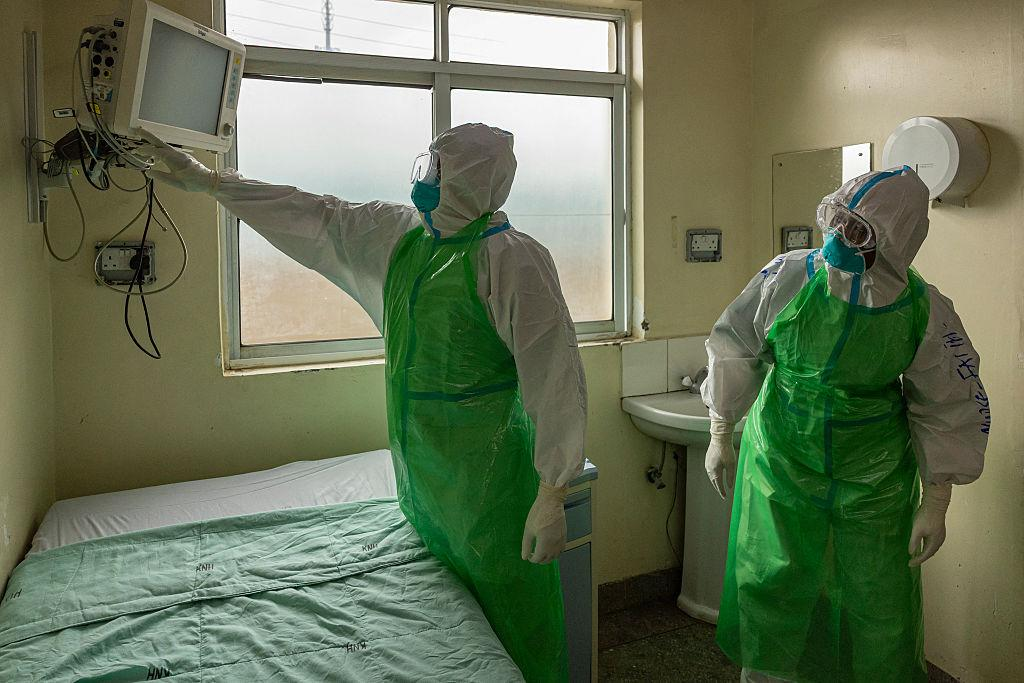
Medical facilities also need adequate protective equipment, trained personnel and clear referral procedures to handle suspected infectious diseases safely.
For residents, public health messaging should prioritise verified information rather than speculation circulating on social media. Anyone experiencing concerning symptoms after a potential exposure should seek medical assessment and follow instructions from qualified health professionals.
People should avoid direct contact with bodily fluids from anyone suspected of having a serious infectious disease and follow official guidance on prevention.
Avoiding panic while remaining prepared
Public health officials face a delicate task when dealing with suspected cases. They must respond quickly enough to contain potential threats while ensuring that the public receives accurate information.
Overreaction can disrupt communities and businesses, while delayed communication can undermine trust and complicate disease-control efforts.
Authorities should therefore provide timely updates about test results, surveillance activities and any recommended precautions.
The public should also be informed about what is known, what remains under investigation and which steps are being taken to protect communities.
Kenya’s health system must remain prepared even when suspected cases test negative. Preparedness includes rapid laboratory testing, transparent reporting, infection prevention and cooperation with regional health agencies.
What happens next?
The negative preliminary results are reassuring, but continued monitoring and confirmation through the appropriate medical processes remain important.
Authorities should clarify any additional findings and communicate whether the patient requires further assessment or whether the investigation has been concluded.
For now, the result demonstrates the importance of testing rather than relying on symptoms or travel history alone to determine whether someone has Ebola.
The bottom line: The suspected case in Wajir has produced a reassuring preliminary result, but continued surveillance and clear public communication remain essential. Accurate reporting will help Kenyans stay informed without fuelling unnecessary fear.

Comment here