

BRIAN ANGWENYI, OYOMINTO TV NEWS EDITOR
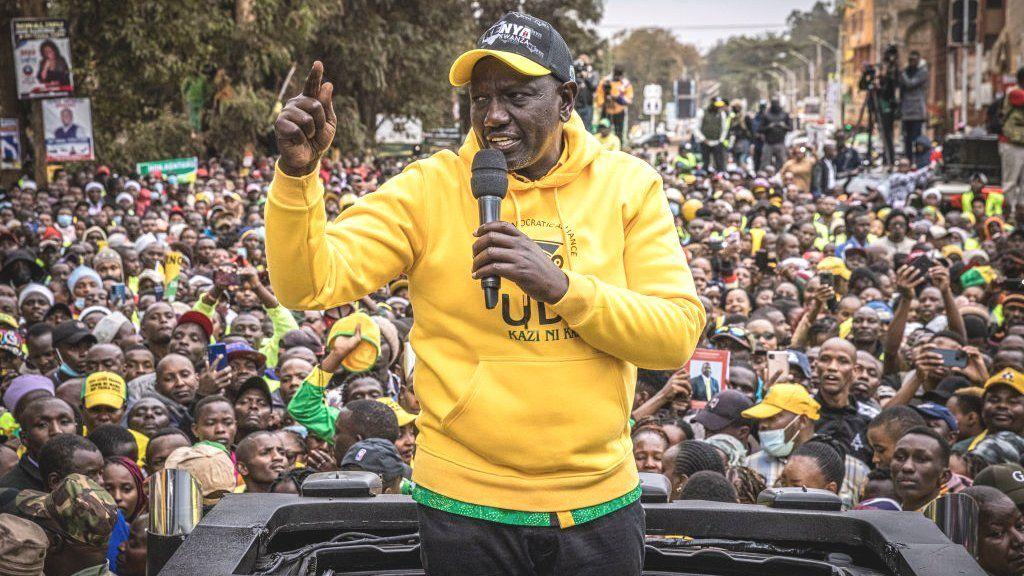
President William Ruto has launched a fresh political attack against former President Uhuru Kenyatta, accusing his predecessor of betrayal and questioning his conduct despite the support Ruto says he offered during Kenyatta’s presidential campaigns.
Speaking amid growing political realignments ahead of the 2027 General Election, Ruto described Kenyatta as ungrateful and deceitful, arguing that his past political support had not been reciprocated. The remarks were reported by the Kenya Broadcasting Corporation on October 12.
The exchange adds another dimension to Kenya’s increasingly competitive political environment, where alliances formed during previous elections are being reassessed as leaders prepare for the next national contest.
Ruto revisits political history
According to the KBC report, Ruto said he had supported Kenyatta’s presidential bids in 2002, 2013 and both elections held in 2017.
He accused the former president of repaying that support with betrayal and urged him to retire honourably rather than continue influencing political leaders.
The remarks reflect the continuing tensions between the two leaders, who once worked closely together before their relationship deteriorated.
Their political partnership was instrumental in the formation of the Jubilee administration that won the 2013 and 2017 elections. However, disagreements emerged during Kenyatta’s second term, particularly as the political landscape shifted following the 2018 handshake between Kenyatta and opposition leader Raila Odinga.
Ruto later won the 2022 presidential election, defeating Raila Odinga in a closely contested race.
The former president’s relationship with Ruto has remained strained, with the two leaders frequently differing over political leadership, governance and the direction Kenya should take.
The 2027 contest shapes political debate
With the next general election approaching, statements by senior political figures are likely to attract increased attention as parties and coalitions assess their prospects.
Kenya’s presidential elections are often shaped by alliances across regions, political parties and influential leaders. Endorsements from former presidents can carry political significance, although they do not automatically translate into votes.
Ruto’s criticism also highlights the difficulty of maintaining political partnerships once electoral interests diverge.
Political alliances may be built around shared objectives, but disagreements over power, appointments, policy and succession can weaken those relationships over time.
For voters, the challenge is to distinguish between personal political disputes and substantive arguments about national leadership.
What the accusations mean for voters
Political rhetoric can influence public debate, but allegations made by one leader should not automatically be treated as established facts.
A balanced assessment requires examining the history of the relationship, the public record of both leaders and the policies they propose.
Kenyatta’s role in the country’s politics may remain relevant as leaders mobilise supporters ahead of 2027. However, his influence will depend on the political choices he makes and the response of voters.
The wider concern is whether campaign discussions will focus on the cost of living, employment, healthcare, education and public debt, or become dominated by personal exchanges between political figures.
These issues directly affect households and businesses and will likely remain central to public scrutiny.
A test of political maturity
As competition intensifies, political leaders face the responsibility of presenting credible programmes while respecting democratic institutions.
Disagreement is a normal part of multiparty democracy, but accusations should be supported by evidence and open to scrutiny.
Voters also have a role in demanding accountability from all political camps rather than accepting claims simply because they come from leaders they support.
The bottom line: Ruto’s latest remarks against Kenyatta underline the political tensions likely to shape Kenya’s road to the 2027 elections. Whether these exchanges influence voter preferences will depend on how they intersect with the issues that matter most to the public.

Comment here