

TV OYOMINTO NEWS
Global oil prices declined on Friday after US President Donald Trump indicated that Washington did not intend to attack Iran before the November midterm elections, easing some concerns about further disruption to international energy supplies.
The movement followed Trump’s remarks that the United States was holding productive discussions with Iran to end a conflict that has disrupted energy markets.
Reuters reported that Brent crude futures fell by $1.37 to $102.91 a barrel, while US West Texas Intermediate crude dropped by $1.09 to $90.40.
Although the declines provided some relief to energy markets, oil prices remained elevated amid uncertainty over the security of shipping routes and the prospects for a lasting diplomatic settlement.
Why the Strait of Hormuz matters
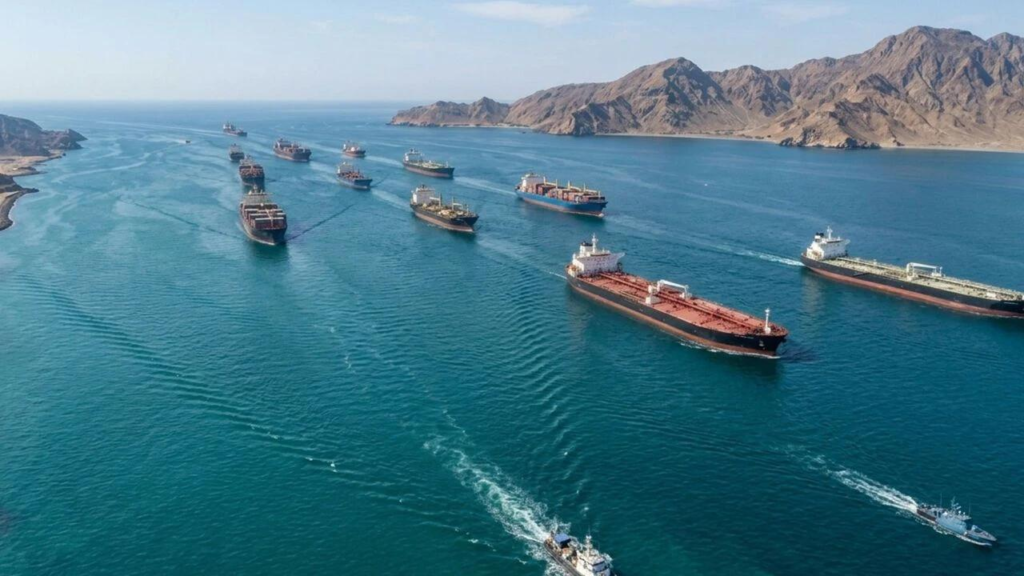
The Strait of Hormuz is one of the world’s most important energy shipping routes, connecting the Persian Gulf to international markets.
Before the current conflict, the route carried oil and fuel volumes equivalent to roughly one-fifth of global consumption, making any serious disruption a major concern for producers, shipping companies and importing countries.
When traders fear that tankers may be unable to move safely through the strait, oil prices can rise as buyers anticipate shortages and seek alternative supplies.
Higher crude prices can then affect the cost of petrol, diesel, aviation fuel and other petroleum products.
For countries that import much of their fuel, prolonged disruptions can increase the cost of transportation and electricity generation while putting pressure on household budgets.
Diplomacy offers some relief
Trump’s remarks about avoiding an immediate attack helped ease fears of further escalation.
Reuters reported that Iran was reviewing a US response to a proposal that could reopen the Strait of Hormuz within seven days. However, the status of negotiations and the security situation remained uncertain.
Diplomatic progress could reduce the risk of supply disruptions and improve confidence among oil traders.
However, statements expressing optimism do not guarantee an agreement. Any lasting improvement would depend on concrete steps to reduce hostilities, protect commercial shipping and address the underlying disagreements between Washington and Tehran.
The United States has continued applying economic pressure on Iran, including sanctions targeting individuals, networks and vessels accused of transporting Iranian petroleum products.
Such measures can complicate negotiations because governments may pursue diplomatic engagement while maintaining economic and strategic pressure.
Why prices remain volatile
Oil prices are influenced by several factors, including expectations about future supply, demand from major economies, production decisions and geopolitical risks.
A reduction in immediate military threats may push prices lower, but disruptions to production or shipping can quickly reverse that movement.
Weather-related events can also affect energy markets. Reuters reported that Hurricane Isaias had disrupted a substantial portion of oil production in the Gulf of Mexico, adding another uncertainty to the market outlook.
The combined effect of geopolitical tensions and production disruptions makes it difficult for traders to predict how prices will move over the coming weeks.
China’s plans to resume refined-fuel exports following a temporary pause were another factor that could ease pressure on global fuel markets.
What it means for Kenya
Developments in international oil markets matter to Kenya because the country relies on imported petroleum products to meet domestic energy needs.
If global prices remain high, fuel import costs can place pressure on the domestic economy. The eventual effect on pump prices also depends on exchange rates, import costs, taxes, regulatory decisions and the timing of price adjustments.
Higher fuel costs can feed into transport fares, food distribution and the cost of operating businesses.
Farmers and traders may face increased expenses when transporting produce, while manufacturers can experience higher production and distribution costs.
If prices fall and the decline is sustained, it could provide some relief. However, a temporary movement in international crude prices does not automatically result in an immediate reduction in local fuel prices.
The effect depends on how long the decline lasts and how other components of the domestic pricing structure change.
Risks remain for the global economy
Oil price volatility can complicate decisions by central banks, businesses and governments.
Sustained increases in energy costs can contribute to inflation, reduce consumers’ purchasing power and increase production expenses. Sudden declines, meanwhile, may benefit importing countries but reduce revenues for oil-producing economies.
For policymakers, the central challenge is preparing for different scenarios without assuming that a short-term market movement signals a lasting change.
Energy-importing countries can reduce their vulnerability by improving efficiency, diversifying energy sources and strengthening their ability to respond to supply disruptions.
The outlook
Markets will closely monitor the progress of US-Iran negotiations and any developments affecting the safety of shipping through the Strait of Hormuz.
A credible diplomatic agreement could reduce uncertainty, but renewed hostilities or restrictions on shipping could push prices higher again.
The bottom line: Oil prices fell after Trump’s comments reduced fears of an immediate escalation with Iran. For Kenya and other fuel-importing economies, sustained relief will depend on whether diplomatic progress translates into safer shipping, more reliable supplies and lower energy costs.


Comment here