

TV OYOMINTO
Kenyans applying for houses under the government’s Affordable Housing Programme are facing new prices after the State Department for Housing announced changes that took effect on October 1, 2026.
The revised prices have introduced increases of up to 20 per cent for Affordable Housing units, while selected Market Housing units have been increased by 10 per cent.
The changes affect new applications made from October 1.
According to the State Department for Housing, the new pricing structure applies across the different housing typologies under the programme.
The adjustment means some prospective homeowners will now need to raise significantly more money to purchase their preferred units.
Reports indicate that the increase could add as much as Ksh600,000 to the cost of some units.
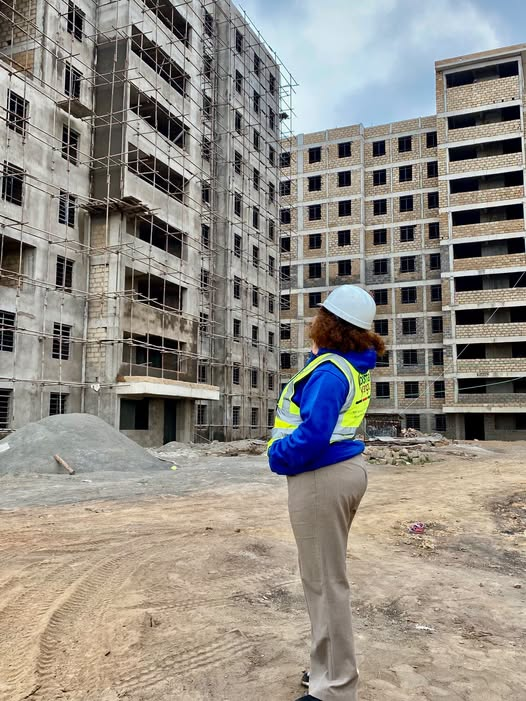
The announcement comes as the government continues to expand its Affordable Housing Programme across different parts of Kenya.
The programme is designed to increase access to home ownership while also supporting construction activity, employment and investment in the housing sector.
Housing remains one of the biggest financial challenges for many urban households.
High property prices, rent, land costs, construction expenses and access to mortgages have made home ownership difficult for many Kenyans.
The government’s housing programme was introduced partly as a response to this challenge.
The revised prices, however, are likely to force applicants to reconsider their financial plans.
For a household that has already calculated its expected deposit and monthly payment, an increase in the purchase price could mean adjusting its budget.
It could also affect the type of unit an applicant can afford.
The government has continued to promote home ownership through various financing arrangements and housing projects.
The Affordable Housing Programme has also been linked to broader plans to create jobs in the construction industry.
Construction workers, suppliers, artisans, manufacturers and transport companies can all benefit from large-scale housing development.
The programme therefore has an economic dimension beyond the individual houses.
However, affordability remains central to its public reception.
A home may be described as affordable based on its price compared with conventional market housing, but affordability for an individual household depends on income, financing terms and other household expenses.
That distinction is important.
A household earning a modest income may still struggle to purchase a unit even if the price is below that of similar privately developed property.
The latest adjustment comes against a wider increase in the cost of living.
Kenya’s annual inflation rate reached 6.8 per cent in September, according to KNBS.
Food, transport and household energy costs have all increased, placing additional pressure on household budgets.
For potential homeowners, that means the monthly income available for housing may already be under pressure before a house purchase is considered.
The price revision could therefore become an important factor for people planning to enter the programme.
Applicants will need to examine the new prices alongside deposits, monthly payments, service charges and other costs associated with home ownership.
The government, meanwhile, faces the challenge of maintaining the financial sustainability of the housing programme while ensuring that units remain accessible to the intended beneficiaries.
Housing construction is expensive.
Land acquisition, construction materials, labour, infrastructure and financing all contribute to the final cost of a unit.
Changes in these expenses can influence the price developers need to charge.
The government’s decision to revise the prices therefore comes amid a broader debate over how Kenya can expand housing supply without making ownership unreachable for lower- and middle-income households.
The new prices also highlight the importance of transparency in the housing programme.
Applicants need clear information about the cost of each unit, financing arrangements, eligibility requirements and the obligations attached to ownership.
As more housing projects are rolled out, potential buyers will likely compare the government units with privately developed homes and rental options.
The programme’s long-term success will therefore depend not only on the number of houses constructed but also on whether eligible households can realistically afford them.
For Kenyans who had already planned to apply, October marks a new financial calculation.
The houses remain part of the government’s wider housing agenda, but the price changes mean prospective buyers now have to assess whether the revised costs fit their budgets.
Source basis: The State Department for Housing announced revised prices effective October 1, 2026, with Affordable Housing units increasing by 20% and Market Housing units by 10%; reports said some buyers could pay up to Ksh600,000 more.



Comment here