

TV OYOMINTO NEWS
A laboratory worker’s unexplained death in Siberia has triggered quarantine measures, international concern and questions about biological safety — even as Russian authorities insist there is no evidence of a plague outbreak.
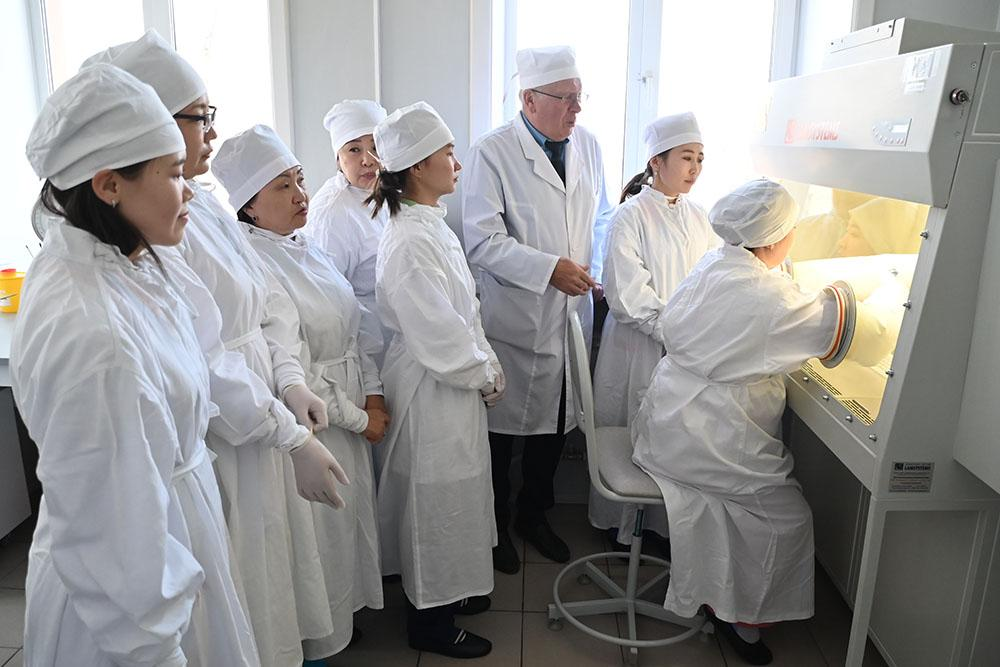
The worker, identified as 28-year-old Darya Shipilova, worked at the Irkutsk Anti-Plague Research Institute, a facility specialising in dangerous infectious diseases.
She became ill and died on October 2 from an unidentified form of pneumonia, according to information reported by Reuters.
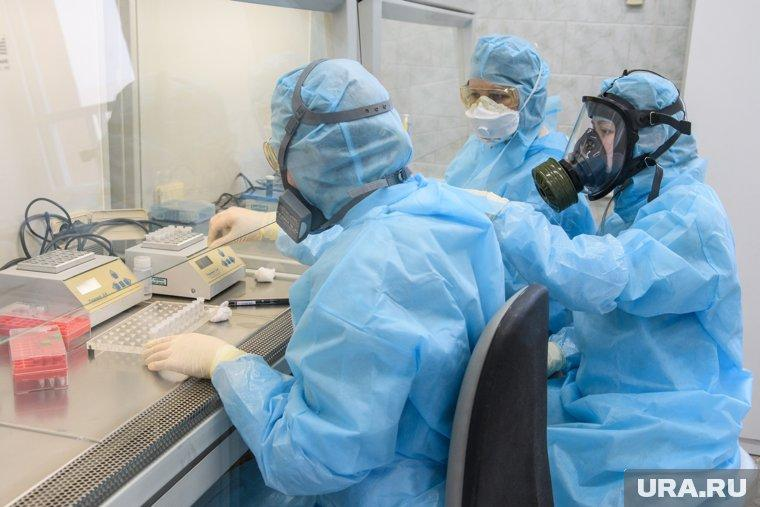
The death prompted Russian authorities to quarantine around 200 people, although about 60 percent had subsequently been released. Authorities have not confirmed that Shipilova died from plague or that her work at the institute caused her illness.
That distinction is important.
The word “plague” immediately raises memories of one of history’s most devastating diseases.
The bubonic plague, caused by the bacterium Yersinia pestis, was responsible for the Black Death that killed millions of people in medieval Europe.
Today, however, plague is treatable with antibiotics when diagnosed early.
The current Siberian case is not being treated as confirmation of a new plague outbreak.
Russian health authorities have said tests did not identify the relevant pathogens among contacts, while the World Health Organization has indicated that no plague cases had been reported in the Irkutsk area.
Yet the incident has attracted international attention because of where the woman worked.
Anti-plague laboratories handle some of the world’s most dangerous pathogens. Such facilities operate under strict biosafety procedures because accidental exposure, if it occurs, can have serious consequences.
The incident has therefore revived wider questions about transparency.
U.S. Secretary of State Marco Rubio has called for Russia to provide more information about the circumstances surrounding the death, while American officials have been monitoring developments.
Russia, however, has rejected suggestions that authorities have imposed anti-plague measures because of a confirmed outbreak.
The situation demonstrates how quickly uncertainty can become an international health story.
In the era after COVID-19, governments and populations are particularly sensitive to unexplained illnesses associated with research laboratories.
Social media has added another layer to the situation.
Unverified claims have circulated suggesting that the worker may have been exposed to live bacteria, travelled abroad or had contact with potentially dangerous material. But Reuters reports that there is currently no official evidence confirming these theories.
For health authorities, separating evidence from speculation is critical.
A single unexplained death does not automatically constitute an outbreak.
At the same time, the location of the death means that investigators must establish exactly what happened.
Was the illness infectious?
Was there laboratory exposure?
Did the worker have an unrelated medical condition?
Were other people exposed?
These are the questions authorities must answer.
The quarantine measures appear to have been precautionary rather than evidence that plague is spreading through the population.
That distinction matters because unnecessary panic can itself create public health problems.
Travel disruptions, misinformation and fear can quickly affect communities even when the actual health risk remains low.
International health authorities are therefore watching the situation closely while waiting for more definitive information.
The episode also highlights an enduring challenge in global health security: countries must be able to investigate unusual illnesses quickly while maintaining public confidence.
Transparency becomes particularly important when the incident involves a high-security laboratory.
For now, there is no confirmed evidence that a plague outbreak is occurring in Siberia.
But the death has prompted a precautionary response and international scrutiny.
Until investigators establish the cause of the illness, the most responsible approach is neither to dismiss the incident nor to sensationalise it.
The real story is the investigation itself — and whether authorities can provide credible answers about what happened inside one of Russia’s specialised disease research facilities.


Comment here