

Kenya is entering an important rainy season, with regional climate experts forecasting an increased likelihood of wetter-than-normal conditions in parts of the Greater Horn of Africa. The outlook places renewed attention on disaster preparedness, farming, water management and the protection of communities living in flood-prone areas.
The forecast issued by the IGAD Climate Prediction and Applications Centre (ICPAC) for October to December 2026 indicates a high likelihood of enhanced rainfall across several parts of the region, including northeastern Kenya. The outlook also identifies areas around the Lake Victoria Basin and neighbouring countries where seasonal rainfall may exceed 400 millimetres.
Farmers face opportunities and challenges
The October-to-December rainy season is important to many Kenyan farmers, particularly those who depend on rainfall to grow food and support their livestock.
Sufficient rainfall can improve crop development, replenish water sources and support pasture regeneration. Farmers may benefit from better harvests if rains arrive at the right time and are well distributed throughout the season.
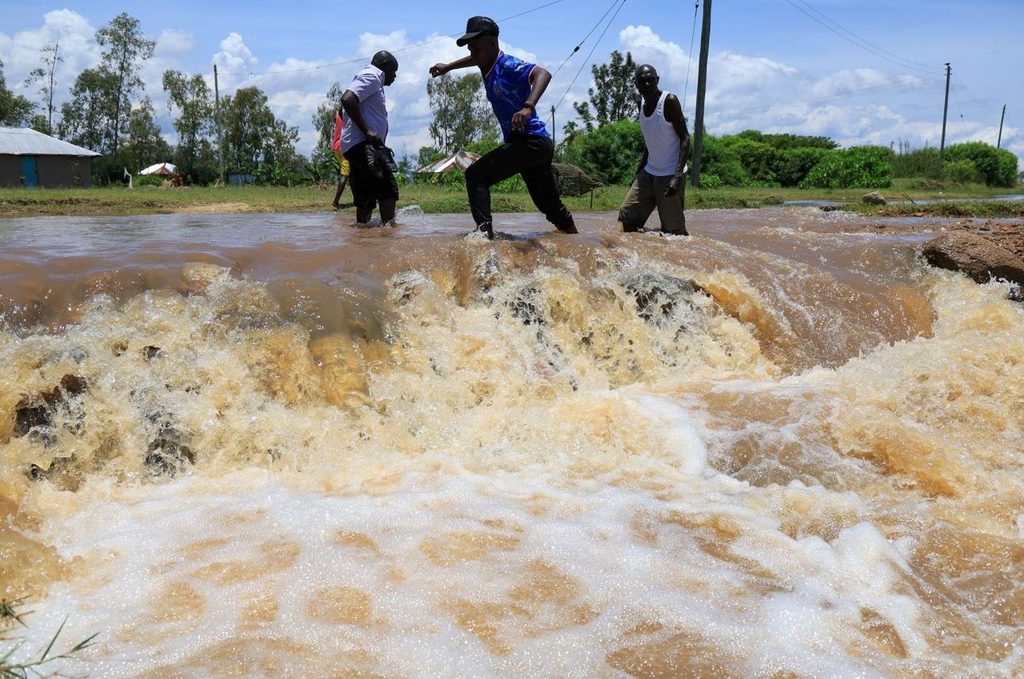
However, heavy rainfall can also create difficulties. Flooding, waterlogging, soil erosion and damage to rural roads can disrupt farming activities and make it difficult for agricultural produce to reach markets.
Small-scale farmers are particularly vulnerable when they lack irrigation systems, adequate storage facilities or reliable access to weather information. A single period of intense rainfall can damage crops that have taken months to mature.
Communities urged to prepare
The anticipated rainfall also places responsibility on county governments and emergency response agencies to strengthen preparedness in areas susceptible to flooding.
Clearing drainage channels, monitoring rivers, maintaining roads and identifying safe evacuation routes can help reduce the impact of severe weather. Residents should also pay attention to official weather advisories and avoid crossing flooded roads or moving water.
Schools, health facilities and local administrators can help communicate warnings to communities that may not have immediate access to digital information.
At the same time, rainfall forecasts should not be interpreted as a guarantee that every part of Kenya will experience heavy rain. Weather conditions can differ considerably between counties, and seasonal forecasts are updated as new information becomes available.
Planning will determine the outcome
The coming months will test how effectively Kenya can turn weather information into practical action.
Farmers need timely advice on planting, while county authorities require reliable information to prepare for possible emergencies. Water agencies must also balance the need to capture rainfall with the risks associated with sudden flooding.
The season presents an opportunity to improve food production and replenish water supplies, but those benefits will depend on preparedness, responsible land use and continued monitoring of changing weather conditions.

Comment here