

TV OTOMINTO NEWS
On paper, the Dangote East Africa Petroleum Refinery and Petrochemicals project represents one of the most ambitious industrial investments ever proposed for Kenya.
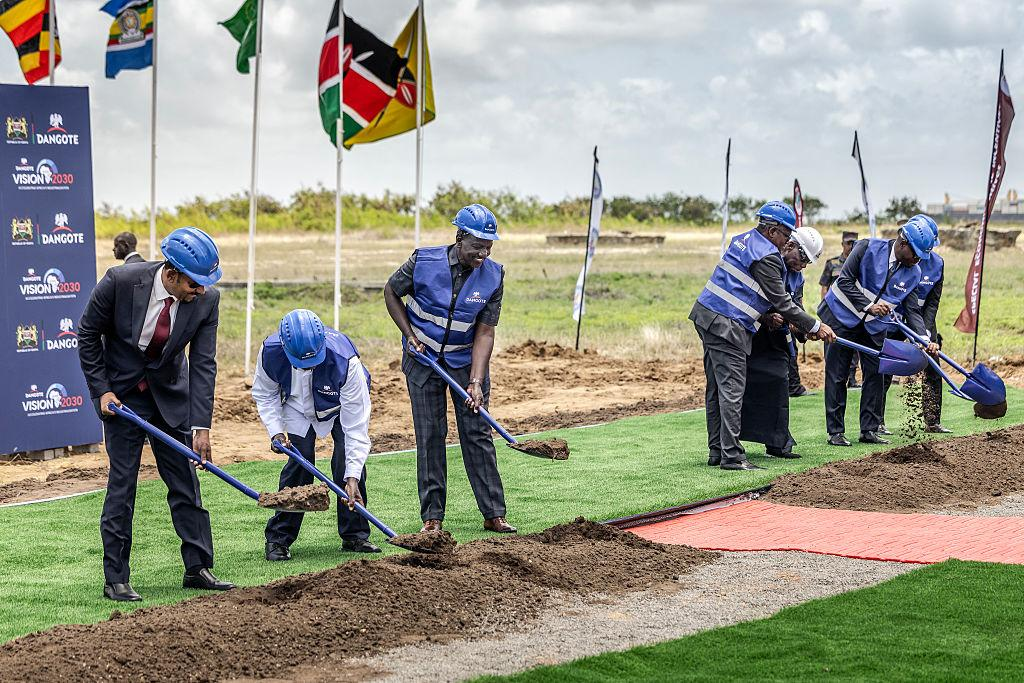
With an estimated investment of about KSh2.2 trillion, the project is expected to transform Lamu into a major petroleum and industrial hub while strengthening Kenya’s position within the regional energy market.
But beyond the speeches, cranes and investment figures is another question being asked by residents: what will the project actually mean for the people of Lamu?
The refinery’s groundbreaking has placed the coastal county at the centre of Kenya’s industrial ambitions. Government officials have presented the project as a potential engine for economic growth, employment and new business opportunities.
Supporters argue that a project of this scale could create thousands of direct and indirect jobs while attracting suppliers, transport companies, hotels, traders and other businesses.
The investment could also contribute to infrastructure development and provide new opportunities for young people.
Yet residents have made it clear that economic growth alone is not enough.
Ahead of the groundbreaking, residents and activists raised concerns about employment, land rights, compensation and environmental protection. They want firm guarantees that local communities will not be left behind as investors and contractors move into the area.
For young people in Lamu, employment is likely to be one of the biggest expectations.
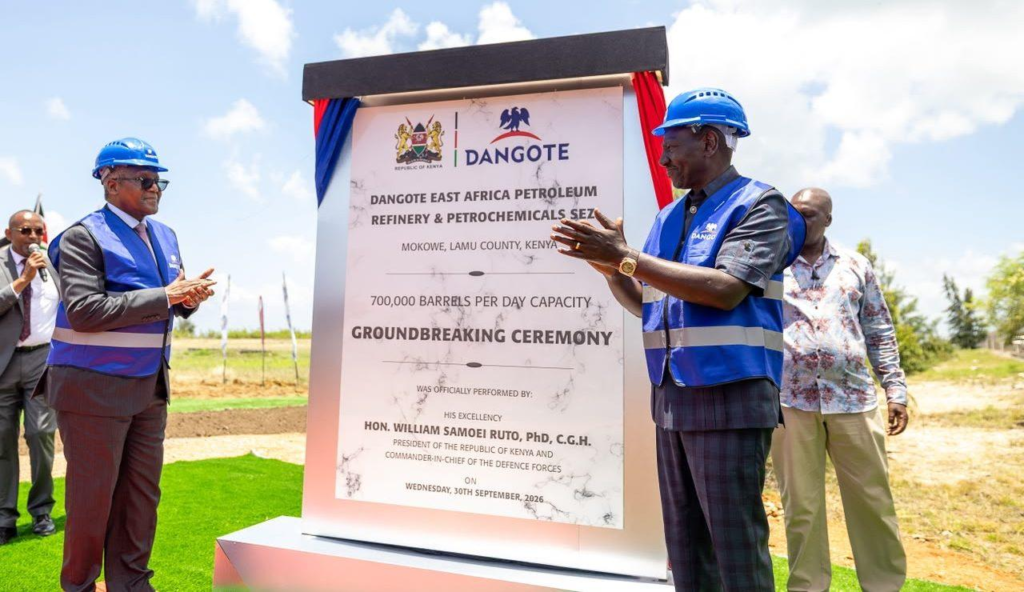
Large industrial projects require engineers, technicians, drivers, construction workers, security personnel, suppliers, hospitality workers and administrative staff. But residents argue that local people need to be adequately trained if they are to compete for those opportunities.
That means education and technical training could become just as important as the refinery itself.
If local schools, technical institutions and youth programmes are aligned with the skills demanded by the project, the refinery could create opportunities that continue long after construction ends.
But if most specialised jobs are filled by workers from outside the county, local communities could feel excluded from an investment taking place on their doorstep.
Land is another sensitive issue.
Lamu has a long history of land-related disputes, and questions surrounding ownership, compensation and community rights can quickly become politically and socially contentious.
Residents therefore want transparency over land acquisition and assurances that development will not undermine their livelihoods.
Environmental concerns are also unavoidable.
A major petroleum and petrochemical facility has the potential to bring significant economic benefits, but it also requires strict environmental controls. Communities dependent on fishing, agriculture and tourism will be watching closely to see how the project affects their livelihoods.
The government’s challenge will therefore be to balance investment with accountability.
The refinery is being positioned as a major component of Kenya’s wider economic transformation and the LAPSSET corridor. Its success could strengthen the country’s energy infrastructure and attract additional industrial investment.
President William Ruto has also urged Kenyans to participate in the project, including through investment opportunities linked to the refinery.
But development is ultimately measured by more than the amount of money invested.
For Lamu residents, success will mean seeing young people employed, local businesses growing, infrastructure improving and communities protected.
The project offers Kenya a potentially transformative economic opportunity.
Yet for Lamu, the real test will be whether that transformation is shared.
As construction progresses, the relationship between investors, government and residents will be just as important as the refinery’s physical infrastructure.
The story of Lamu’s refinery is therefore not simply about oil.
It is about jobs, land, opportunity, environmental protection and the question of who ultimately benefits when billions of shillings are invested in a community.



Comment here