

TV OYOMINTO NEWS
The global economy is entering a period in which three powerful forces are colliding: expensive energy, rising government debt and the rapid expansion of artificial intelligence.
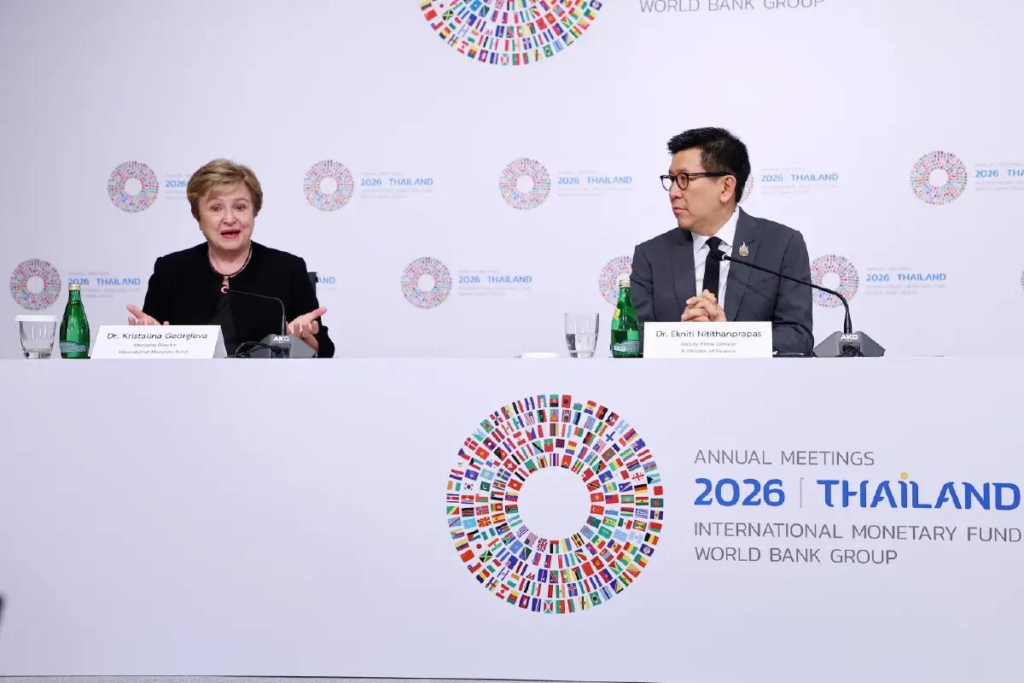
That is the warning emerging from the International Monetary Fund as policymakers prepare for the IMF and World Bank meetings in Bangkok.
IMF Managing Director Kristalina Georgieva has warned that persistent energy shocks, record public debt and risks surrounding the AI investment boom could threaten global economic growth.
Her warning comes at a delicate moment for the world economy.
Energy prices have been pushed higher by geopolitical conflicts, while governments are already carrying historically large debt burdens.
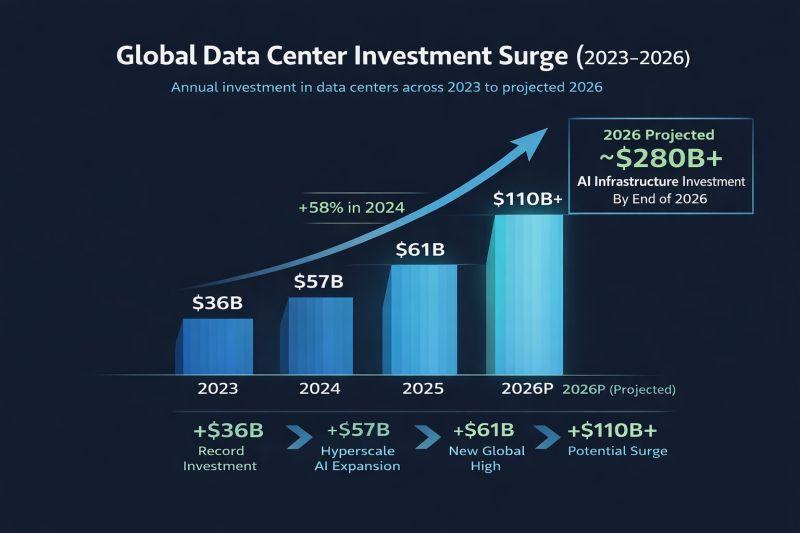
At the same time, companies are investing billions of dollars in artificial intelligence infrastructure, from data centres and semiconductors to advanced computing systems.
AI has become one of the world’s biggest economic bets.
Supporters believe it could dramatically increase productivity, create new industries and accelerate economic growth.
But the IMF warns that the benefits may not be distributed evenly.
Countries with advanced technology sectors and access to capital are better positioned to profit from the AI boom. Poorer economies risk being left behind unless they invest in infrastructure, education and digital skills.
There is another danger.
If investors have poured too much money into AI companies and the expected profits fail to materialise, financial markets could experience a sharp correction.
The problem is particularly serious because the AI boom is taking place alongside high public debt.
The IMF has warned that global public debt is on course to exceed 100 percent of global GDP, reaching levels not seen since the aftermath of the Second World War.
Governments therefore have less room to respond to another major economic crisis.
For developing countries, the situation is even more complicated.
Higher energy prices increase the cost of transportation, electricity, manufacturing and food production.
High global interest rates make borrowing more expensive.
And when major economies tighten their budgets, developing countries can experience weaker demand for their exports and reduced access to international financing.
The energy question has become particularly urgent.
The IMF has warned that oil prices around $100 a barrel and potential threats to liquefied natural gas supplies could keep energy costs elevated through 2027.
For consumers, higher energy costs rarely remain confined to fuel stations.
They eventually appear in transport fares, food prices, electricity bills and the cost of manufactured goods.
Businesses then face higher operating costs, while central banks may be forced to keep interest rates high in an effort to control inflation.
That can slow investment and job creation.
At the same time, artificial intelligence is changing the nature of work.
AI could make businesses more productive, but it could also displace workers in industries where automation becomes cheaper than human labour.
The IMF has therefore called for investment in worker training, entrepreneurship and regulatory systems capable of managing the risks associated with AI.
The challenge for governments is to avoid choosing between innovation and protection.
The world needs the economic benefits of AI, but it also needs safeguards against excessive market concentration, cyber risks and mass displacement of workers.
For countries such as Kenya, the global debate has a direct local dimension.
Kenya is investing in digital services and positioning itself as a technology hub. But the country also faces high energy costs, debt pressures and the need to create jobs for a young population.
The global economic environment will therefore influence domestic policy choices.
The IMF’s warning is not necessarily a prediction of a global recession.
Instead, it is a call for governments to act before multiple risks combine into a larger crisis.
Energy security, responsible borrowing and carefully managed technological innovation may increasingly become interconnected parts of the same economic strategy.
The world economy has survived major shocks before.
But the next challenge may not come from one source.
It could emerge from several pressures arriving at the same time.
Comment here