

OYOMINTO TV NEWS
For millions of Kenyans who depend on public hospitals, the next few days could determine how smoothly they access healthcare under the Social Health Authority.
The Ministry of Health and the Council of Governors have agreed that existing SHA contracts for county public health facilities will expire on 14 October 2026, putting pressure on facilities across the country to complete the new contracting process.
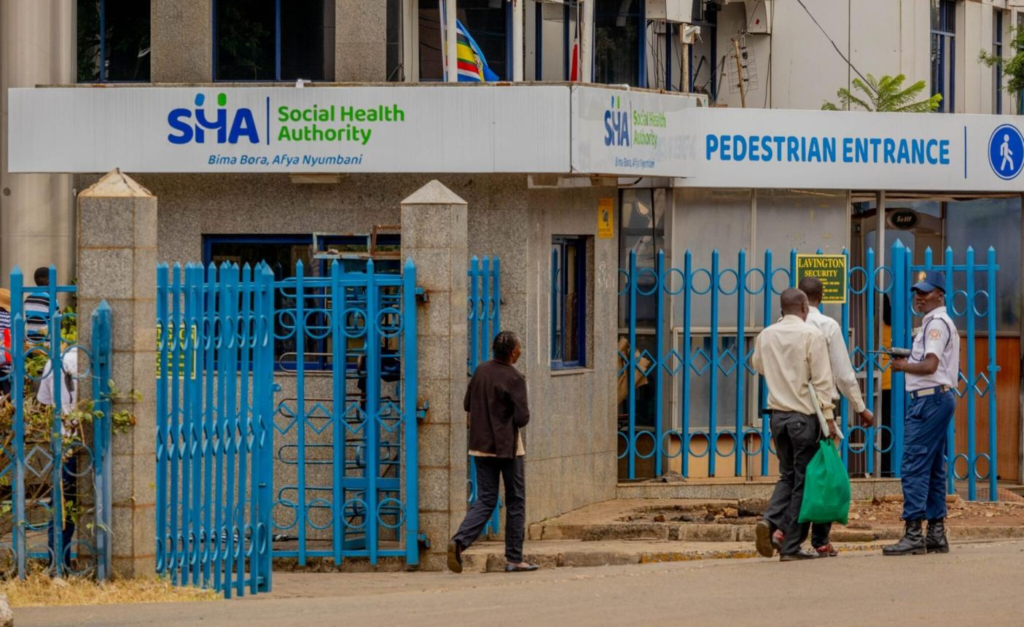
The deadline is part of the transition to the 2026–2029 SHA contracting cycle, known as HAKIKA.
The government has promised that the transition should not interrupt services. But behind the official assurances is a complicated process involving thousands of facilities, multiple regulators and a range of compliance requirements.
Under the new framework, county facilities must meet requirements relating to areas such as environmental compliance, fire safety, disability access, data protection and social security compliance.
Some facilities will receive additional time to submit outstanding documentation, while laboratory, pharmacy and imaging services must have the relevant licences.
The deadline matters because public hospitals remain the primary source of healthcare for many Kenyans, particularly low-income families.
A disruption in SHA contracting could affect how facilities process claims, reimbursements and patient services.
That is why the Ministry of Health and county governments have been working to prevent a situation in which hospitals are technically open but unable to efficiently process SHA-funded services.
The government says eligible facilities will continue serving beneficiaries as the contracting process is completed.
HAKIKA contracting clinics are being established in counties to help facilities resolve technical and documentation challenges before the deadline.
Another major part of the transition is the movement toward a Health Management Information System.
The Ministry says Level 5 hospitals should complete their transition to HMIS by the end of October. The system is intended to improve the management of health information and reduce some of the duplication associated with existing processes.
For healthcare workers, however, the transition comes with its own pressures.
Hospitals must continue treating patients while simultaneously dealing with administrative requirements. County health departments are expected to coordinate with SHA, regulators and individual facilities to ensure the process does not interfere with frontline care.
There is also a financial dimension.
The government says clean SHA claims will be paid within 90 days of receipt and in the order in which they are received. Where funds are insufficient, unpaid clean claims will be recognised as certified liabilities and carried forward for settlement within the same financial year, subject to available appropriations.
That could be important for hospitals that rely on timely reimbursements to purchase medicines, pay suppliers and maintain services.
The wider SHA transition has been one of Kenya’s most closely watched health reforms.
The government hopes the new system will create a more structured and accountable approach to healthcare financing.
But for ordinary patients, the measure of success is much simpler.
Can they walk into a public hospital and receive treatment without being sent from one office to another?
Can hospitals access funds in time to maintain essential services?
And can the new system reduce the financial burden associated with illness?
Those questions will ultimately determine whether the reforms succeed.
With the October 14 deadline approaching, the immediate focus is on ensuring that administrative changes do not become a barrier to healthcare.
The Ministry of Health and counties now have a narrow window to complete the transition.
For millions of Kenyans, the hope is that when the deadline arrives, the system will be ready — and the doors of public hospitals will remain open.

Comment here